Concrete Repair & Restoration
Fix damaged concrete and restore surfaces to their original condition or better.
When to Repair vs Replace
Not every damaged concrete surface needs complete replacement. In many cases, targeted repairs restore function and appearance at a fraction of replacement cost. The key is understanding what can be fixed and what truly needs replacing.
Surface damage like small cracks, spalling (flaking surface), or minor settlement often responds well to repair. Extensive cracking throughout a slab, major structural failure, or severe settlement usually means replacement is the better long-term solution. We assess your specific situation honestly and recommend the approach that makes most sense for your needs and budget.
Here in Moorpark, we see concrete damage from various causes including poor initial installation, soil movement, tree roots, and natural aging. Understanding what caused the damage helps prevent recurrence after repairs. When you need expert concrete services, proper diagnosis is the first step toward lasting solutions.
Common Concrete Problems We Fix
We handle a wide range of concrete repair issues:
- Cracks: Seal and fill cracks before they expand or allow water infiltration
- Spalling and scaling: Repair surface damage from freeze-thaw cycles or deicing salts
- Uneven settlement: Level sunken concrete through mudjacking or foam injection
- Surface deterioration: Resurface worn concrete with overlay systems
- Joint problems: Repair or replace damaged expansion and control joints
- Discoloration and staining: Clean and restore appearance of stained surfaces
- Edge damage: Rebuild broken or crumbling edges on driveways and walkways
Each repair type requires specific materials and techniques. We do not use one-size-fits-all approaches. The method that works for a driveway crack repair differs from what is needed for spalling on a patio or settlement in a walkway.
Our Repair Process
Successful concrete repair starts with proper surface preparation. This step separates repairs that last from those that fail within months. Here is our approach:
First, we thoroughly clean the damaged area. This means removing loose concrete, dirt, oil, and any contaminants that prevent bonding. For cracks, we often use a grinder or saw to create clean edges. This seems counterintuitive, making the crack bigger, but it creates a better surface for repair material to grip. Whether you are dealing with hairline fractures or wider structural gaps, concrete crack repair done right begins with this kind of thorough preparation.
Next comes proper bonding. We apply bonding agents that help new concrete stick to old. Without this step, repairs simply pop out later. The repair material itself depends on the situation. For structural repairs, we use concrete or epoxy systems. For surface damage, specialized patching compounds work better.
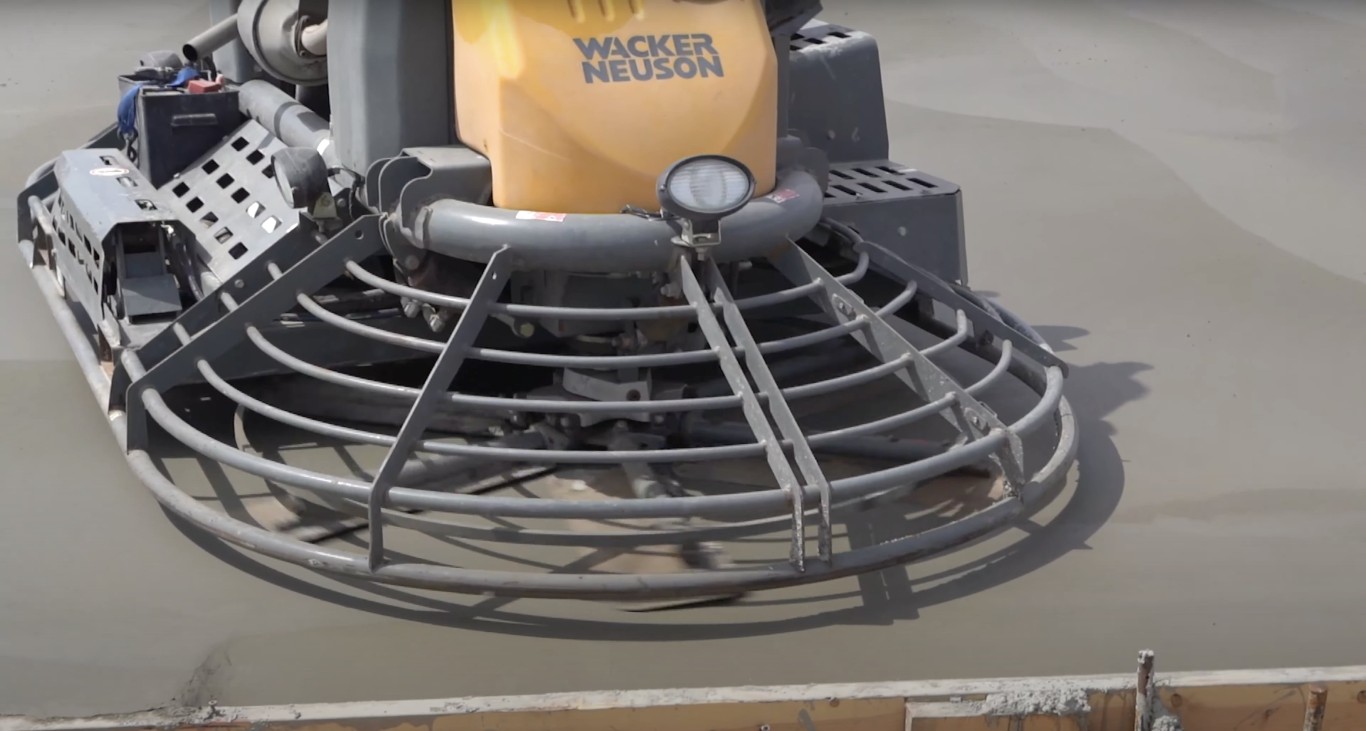
Finishing matches the surrounding concrete as closely as possible. For broom-finish driveways, we texture repairs to blend in. For smooth surfaces, we trowel carefully. Color matching takes more effort. New concrete looks different than aged concrete. We use tints and techniques to minimize this contrast, though perfect matches are rarely possible without resurfacing the entire area.
Leveling Sunken Concrete
When concrete settles unevenly, you end up with trip hazards and drainage problems. Two main methods level sunken slabs without replacement:
Mudjacking involves drilling holes through the concrete and pumping a slurry mixture underneath. This slurry fills voids and lifts the slab back to its original level. The material is heavy and provides good support, though it can settle again if underlying soil problems are not addressed.
Polyurethane foam injection uses expanding foam instead of slurry. Smaller holes are needed, the foam is lighter, and it expands to fill voids completely. This method costs more but works well for situations where weight is a concern or precision is needed.
Both methods work for sidewalks, driveways, and patios. The right choice depends on your specific situation, budget, and the extent of settling. We evaluate your concrete and recommend the best approach.
Concrete Resurfacing Options
When concrete is structurally sound but looks worn or ugly, resurfacing offers a cost-effective makeover. We apply a new layer over existing concrete, completely changing its appearance. Options include:
Overlay systems add a thin layer of modified concrete that bonds to the existing surface. We can stamp, color, or texture this overlay to create fresh looks. This transforms boring gray concrete into attractive decorative surfaces.
Epoxy coatings work well for garage floors and workshops. These durable coatings resist chemicals, are easy to clean, and come in various colors and patterns. They require careful surface prep but deliver excellent results.
Micro-toppings are extremely thin overlays, sometimes just an eighth inch thick. They create smooth, modern surfaces and can be polished or stained. These work best on relatively level concrete without major damage.